PAT (Portable Appliance Testing) Course
Key Features
Of this PAT Testing Course:
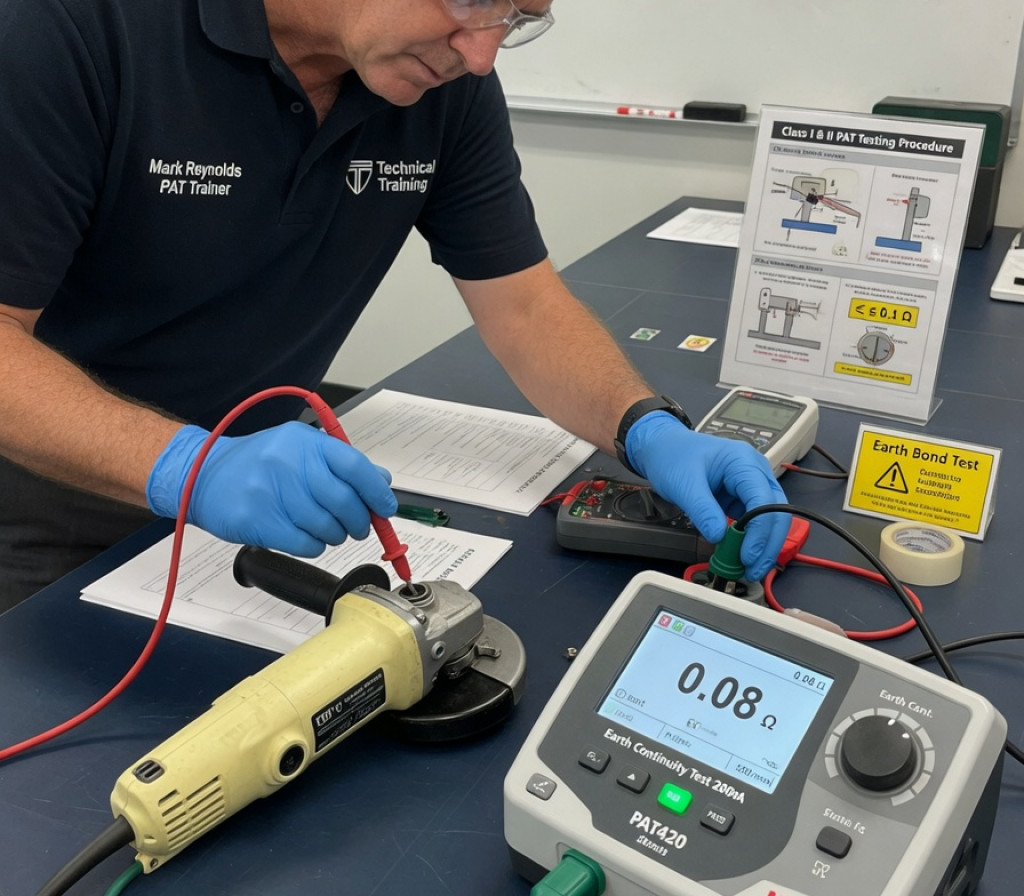
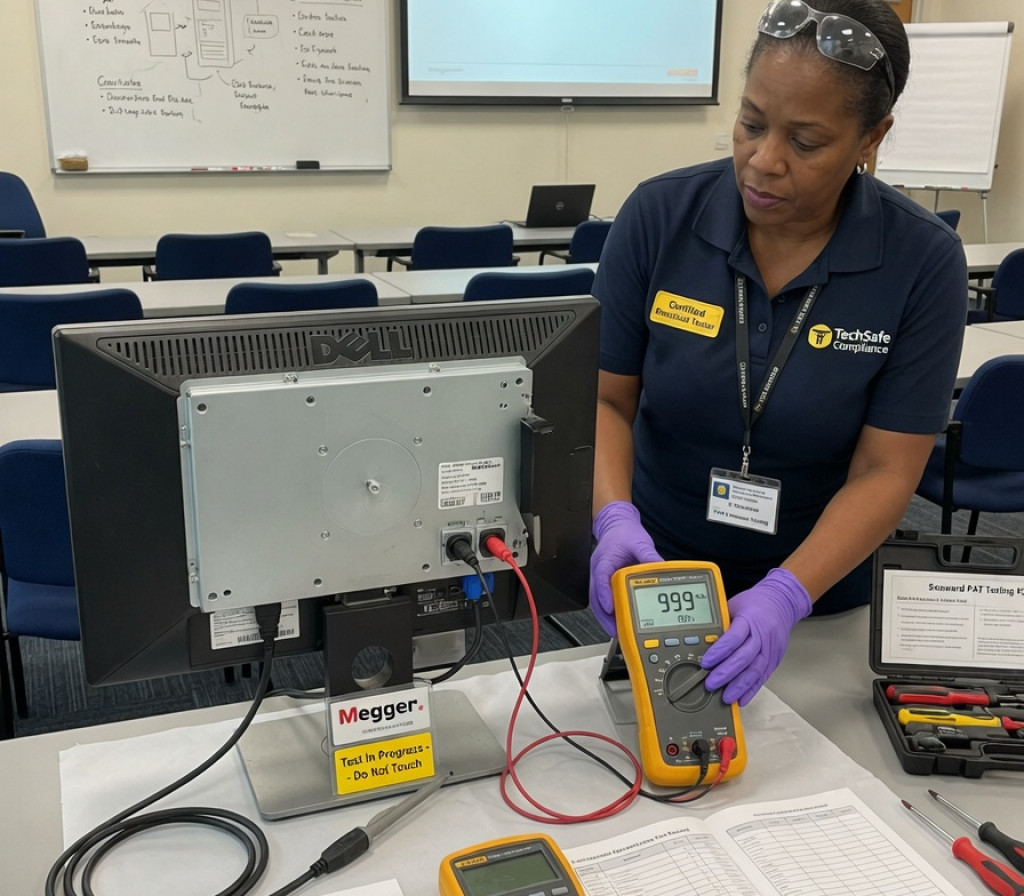
- Gain hands-on skills to inspect and test a wide range of portable electrical appliances used in offices, workshops, construction sites and healthcare environments.
- Learn to apply the IET Code of Practice for In-Service Inspection and Testing of Electrical Equipment in line with the Electricity at Work Regulations 1989.
- Understand appliance classes, test sequences, pass/fail criteria and how to produce accurate records that support workplace safety compliance.
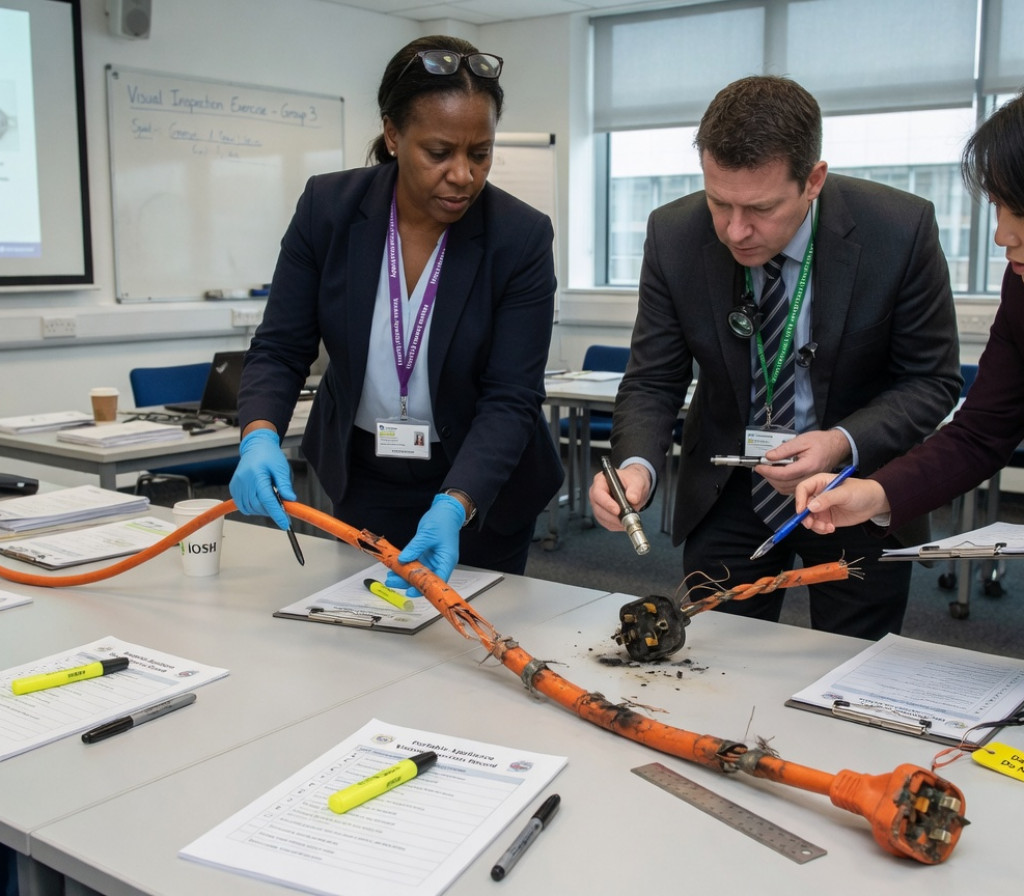
- Develop the ability to identify damage, deterioration and misuse that could lead to electrical faults or shocks during normal use.
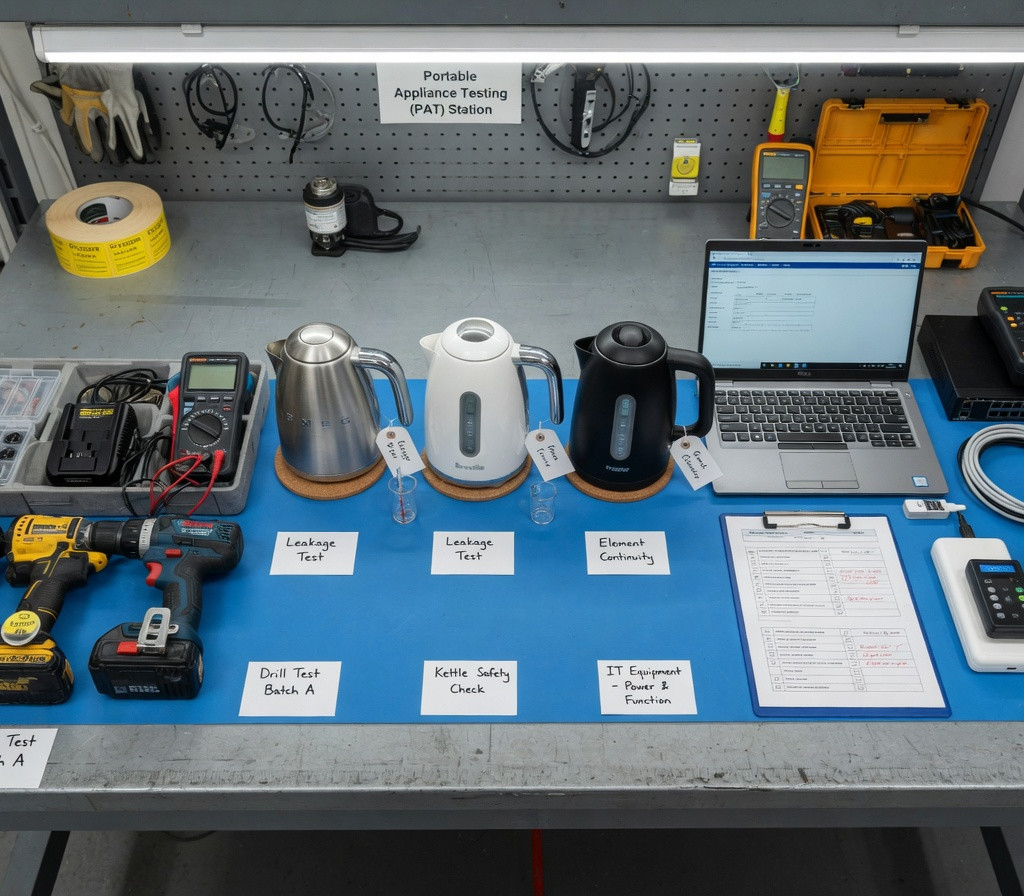
- Receive practical training on using standard PAT instruments including earth continuity, insulation resistance and polarity tests on both 230 V and 110 V equipment.
Course Date Availability
PAT Testing training at the following 23 centres. Prices from £130 per person :
Course Information
Overview:
The PAT (Portable Appliance Testing) course delivers the complete training required to carry out in-service inspection and testing of electrical equipment in UK workplaces. Delegates learn the full process from visual examination through combined electrical tests, result interpretation and the production of clear, auditable records that help duty holders meet their legal responsibilities under the Electricity at Work Regulations.
In 2026 this qualification remains essential for anyone who maintains or manages electrical appliances in commercial, industrial or public settings. The training covers every category of portable, movable, hand-held and fixed equipment that requires periodic testing, giving delegates the competence to work confidently across different environments and equipment types.
Who Should Attend?
This course is designed for:
- Maintenance electricians and electrical contractors
- Facilities and estates managers
- Health and safety officers
- Caretakers and site supervisors
- Workshop and laboratory technicians
- Anyone responsible for equipment safety in offices, schools, hospitals or construction sites
What You Will Learn
By the end of the course you will be able to:
- How to perform a thorough visual inspection on Class I, Class II and Class III appliances
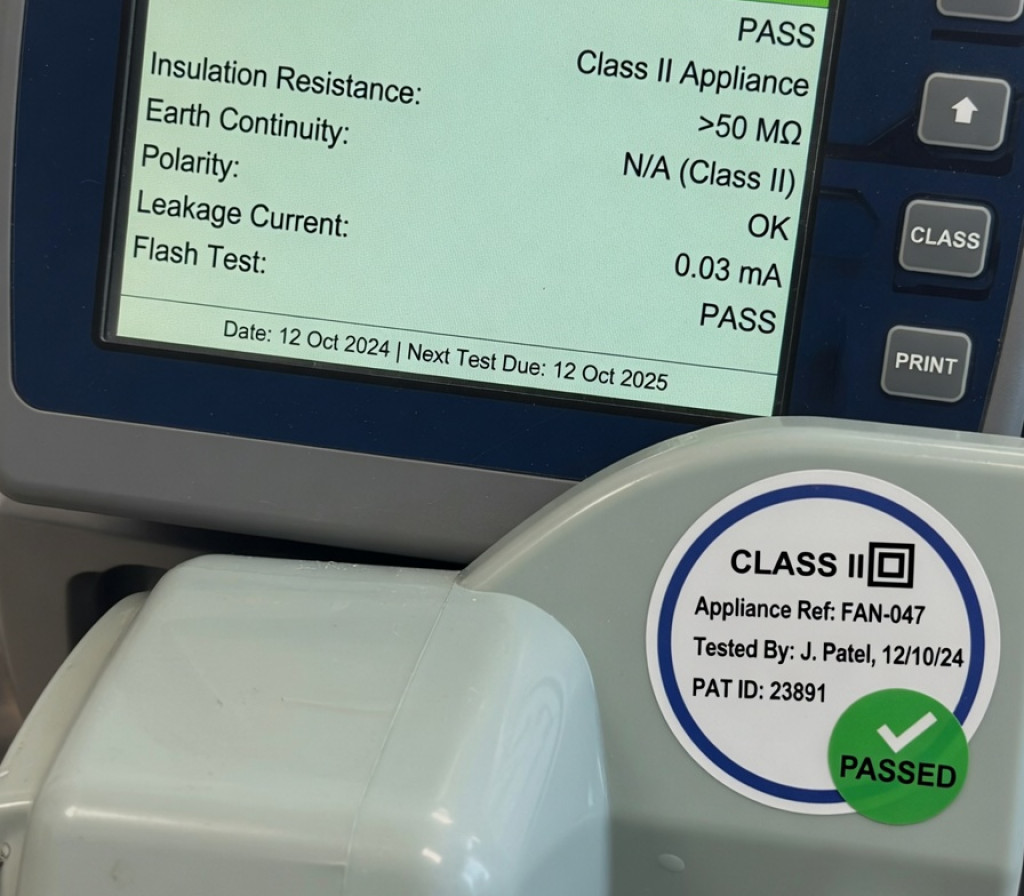
- Correct use of PAT testers to carry out earth continuity, insulation resistance, polarity and leakage tests
- Application of the IET recommended test frequencies and risk assessment factors
- Identification of common defects and how to decide whether an item passes, fails or needs repair
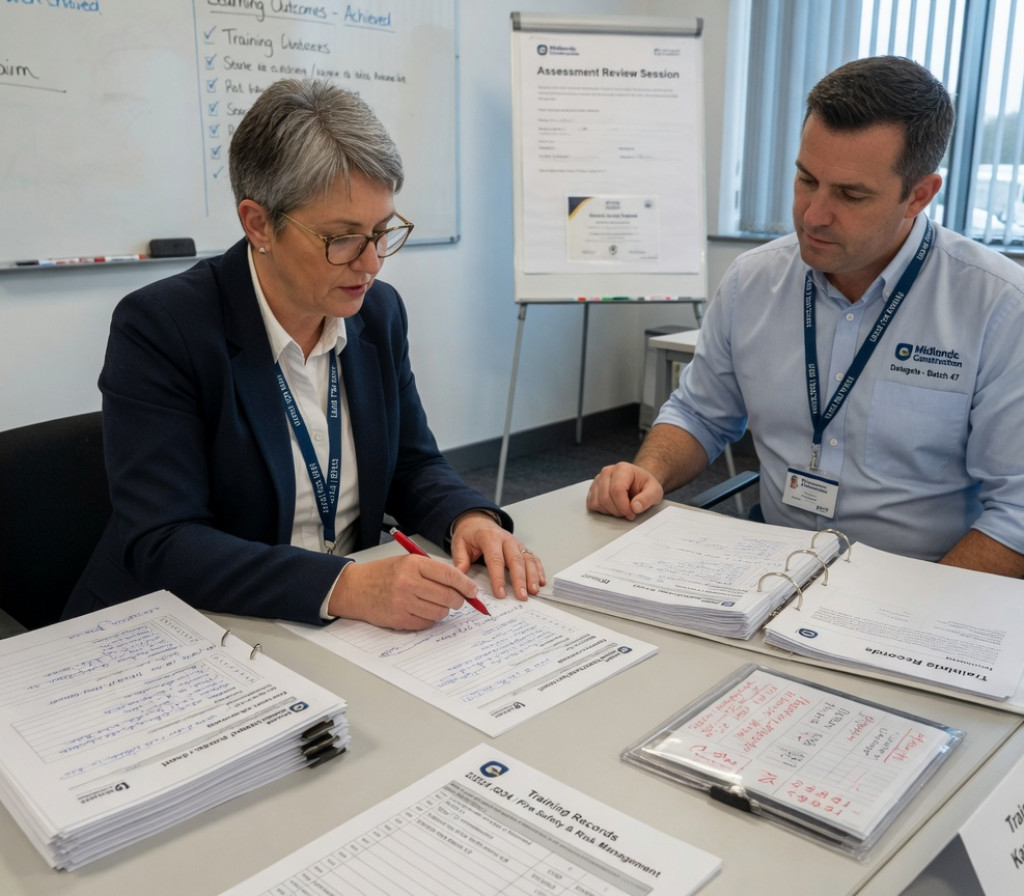
- Accurate recording of results using both paper and digital systems
- Safe isolation procedures and the legal duties placed on those carrying out inspection and testing
Course Agenda
Overview:
The course runs over one or two days depending on the awarding body and combines short theory sessions with extensive practical workshops. Delegates spend the majority of the time testing real appliances under supervision before completing a practical and written assessment.
Key Modules Covered
What you will learn:
- Legal requirements and the IET Code of Practice 5th Edition
- Appliance classification, construction and earthing arrangements
- Visual inspection techniques and defect recognition
- Instrument selection, connection and test procedures
- Test result interpretation and recording
- Practical assessment on a range of equipment types
Private Courses On-site
PAT (Portable Appliance Testing) training is also available as a dedicated course, at your premises, and on a date and time of your choosing. Advantages of group / private course is the convenience of candidates being in familiar surroundings and not having to travel, the lowest price, and the ability to have the course tailored to your own application.
Latest Delegate Feedback
⭐ Rated 4.7 By Our Candidates - (286 reviews)
Xyz.co.uk Training course which took place in Barnsley was something ill remember for a long time. Donna was the consumate professional.
★★★★★
5 ⭐ – Tipu M - Sun 24th May 2026
Training which took place in Glasgow was one of the best courses I ever took.
★★★★★
5 ⭐ – Ken S - Fri 22nd May 2026
The learning gained at the session that took place in Aberdeen recently was brilliant.
★★★★★
5 ⭐ – Paul J - Wed 20th May 2026
Worthy of the cost...
★★★★★
5 ⭐ – Mark J - Wed 20th May 2026
Accreditation & Next Steps
What you will achieve as a result:
Successful delegates receive a recognised certificate such as City & Guilds 2377 or equivalent awarding body qualification. The certificate demonstrates competence to carry out portable appliance testing. Many organisations recommend refresher training every three to five years or when there are significant changes to standards or working practices.
Frequently Asked Questions
Most commonly asked PAT (Portable Appliance Testing) questions:
Most providers deliver the full course over one or two days, including theory, practical workshops and assessment.
No formal electrical qualification is required, although basic electrical awareness and the ability to use simple test instruments are helpful.
Delegates learn to test Class I, Class II and Class III appliances including hand-held tools, IT equipment, extension leads, portable heaters and 110 V site equipment.
Assessment usually combines a short written test with a practical exercise where delegates must correctly inspect, test and record results for several appliances.
Delegates who pass receive a certificate from a recognised awarding body such as City & Guilds or similar, confirming competence in portable appliance testing.
The certificate itself does not expire, but regular refresher training is recommended every three to five years to keep skills and knowledge current.
Delegates should wear suitable work clothing and bring a notepad and pen. All test instruments and appliances are provided during the training.
Yes. The training starts with fundamental principles and gradually builds practical skills through supervised testing of real equipment.
This course focuses solely on in-service inspection and testing of existing portable appliances. It does not cover installation, wiring or fixed electrical systems.
Yes. Once certified, delegates can begin carrying out portable appliance testing in their workplace following their organisation’s risk assessment and test frequency policy.
Yes. The course covers testing of reduced low voltage equipment commonly used on construction sites and in workshops.
Delegates practise completing both paper-based and digital records that meet the requirements of the IET Code of Practice.
Prices per person typically start at £130. Discounts available for multi person or group bookings (depending upon location)
More Information
The training equips delegates with the practical skills and knowledge needed to inspect and test electrical appliances safely and consistently across any workplace setting. Emphasis is placed on real equipment, accurate testing and clear documentation that supports ongoing compliance.
Last updated: Jun 2026 • Part of XYZ Training Group