Moving and Handling of People Course
Key Features
Of this Moving/Handling People Course:
- Covers current UK legislation including the Manual Handling Operations Regulations 1992 and HSE guidance for the safe movement of people
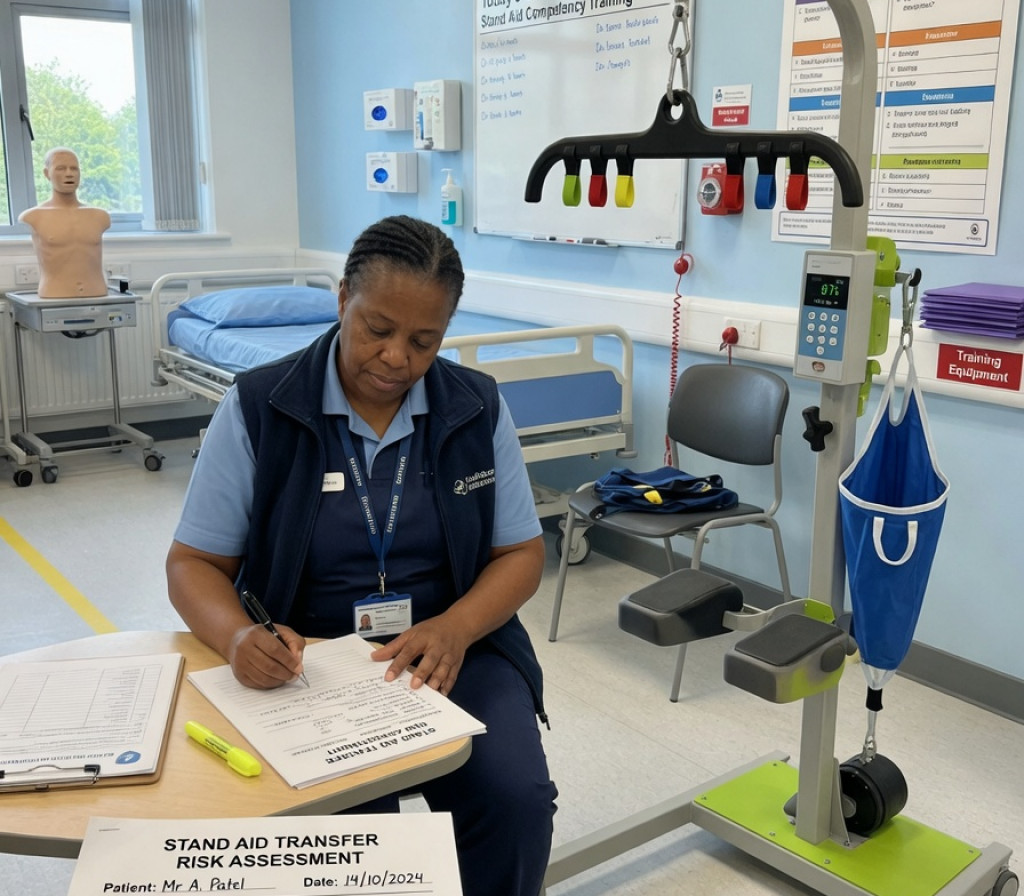
- Includes practical instruction on risk assessment, ergonomic principles and the use of assistive equipment in real care environments
- Addresses common workplace scenarios such as transfers from bed to chair, repositioning in bed and assisting with mobility aids
- Emphasises techniques that protect both the handler and the individual being moved, reducing the risk of injury
- Delivered through a balanced mix of classroom theory and supervised practical sessions using standard care equipment
Course Date Availability
Moving/Handling People training at the following 4 centres. Prices from £67 per person :
| Training Centres | Next Available Dates |
|---|---|
| Bradford | 17th Jun 202618th Jun 2026 |
| Bristol | 30th Jul 202622nd Sep 2026 |
| Kingston | 29th Jul 2026 |
| Stoke | 10th Jul 202624th Jul 2026 |
Course Information
Overview:
Moving and Handling of People training provides care professionals with the knowledge and practical skills required to move individuals safely and effectively. The course focuses on reducing the incidence of musculoskeletal disorders among staff while maintaining dignity and safety for the people receiving care. Participants learn to apply current HSE guidance, conduct dynamic risk assessments and select appropriate equipment for each situation. In 2026 the training remains essential for meeting the legal duties placed on employers and employees under health and safety law.
Who Should Attend?
This course is designed for:
- Care assistants and support workers in residential and domiciliary settings
- Registered nurses and healthcare assistants in hospitals and community care
- Occupational therapists and physiotherapists involved in patient handling
- Activity coordinators and senior care staff responsible for supervising moving and handling
- Managers and supervisors who need to understand safe handling practices and risk assessment
What You Will Learn
By the end of the course you will be able to:
- How to perform a structured risk assessment before any handling task
- Correct posture, biomechanics and handling techniques for single and team operations
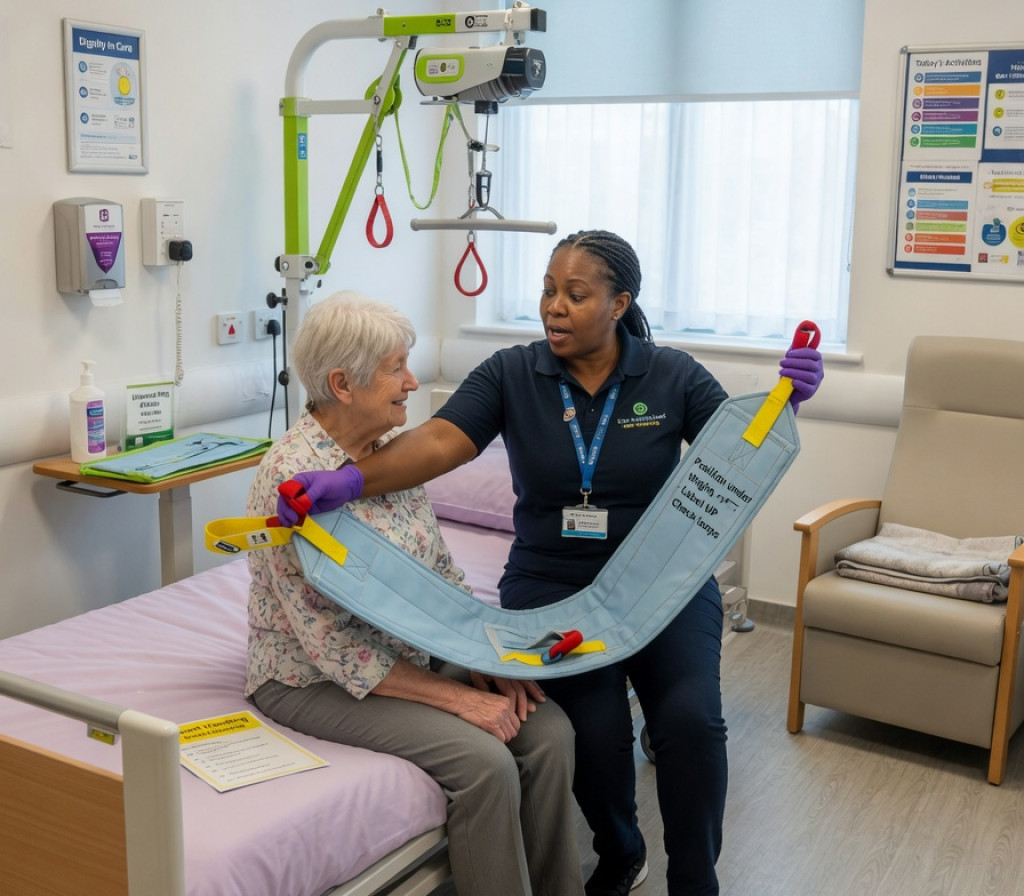
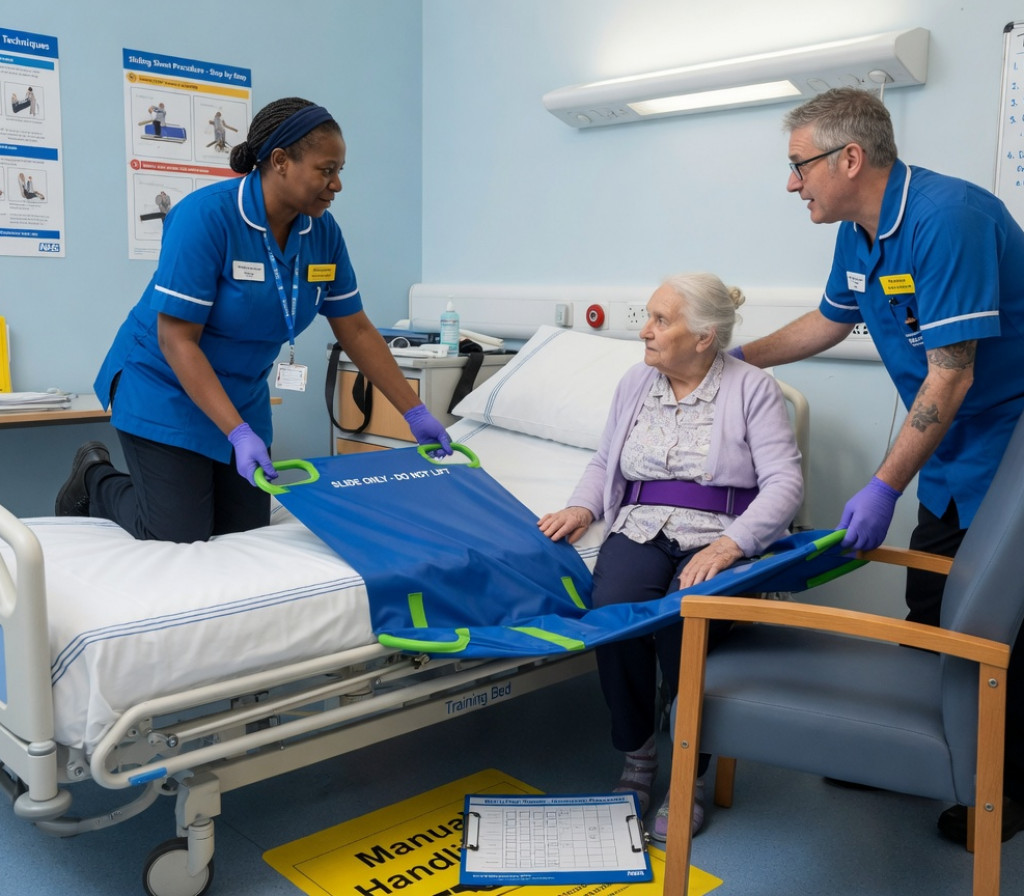
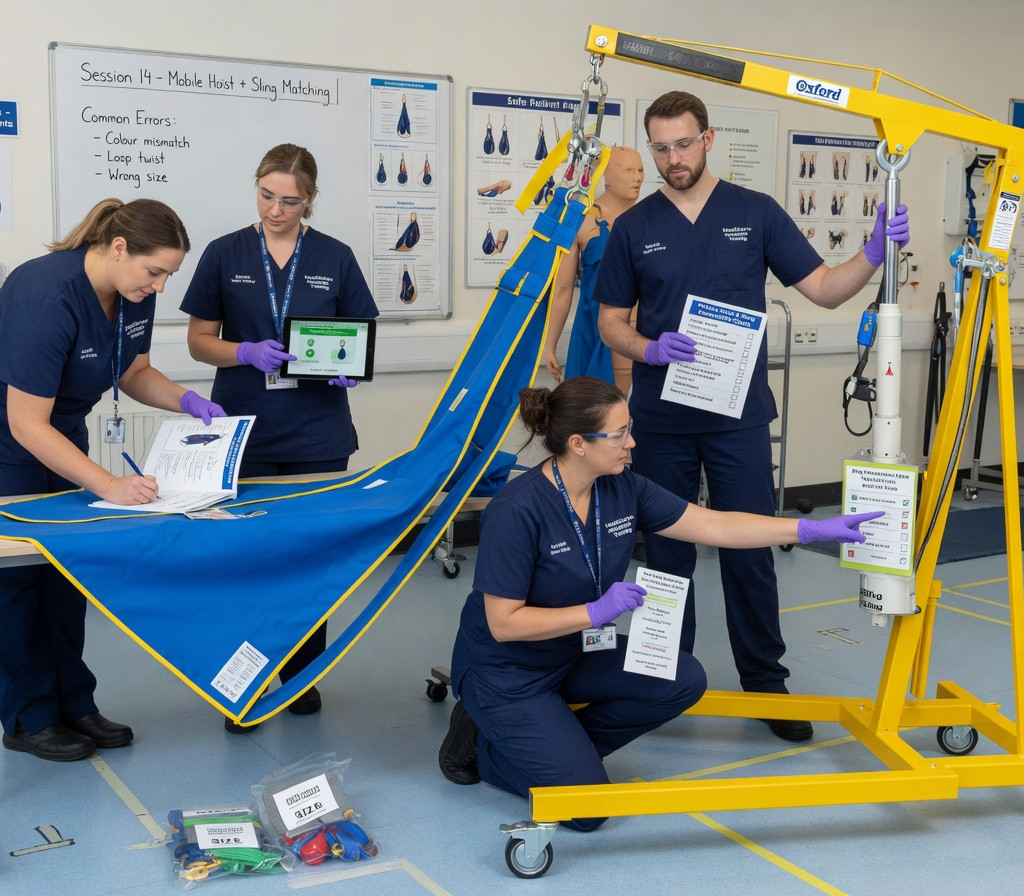
- Safe use of hoists, stand aids, sliding sheets and other assistive devices
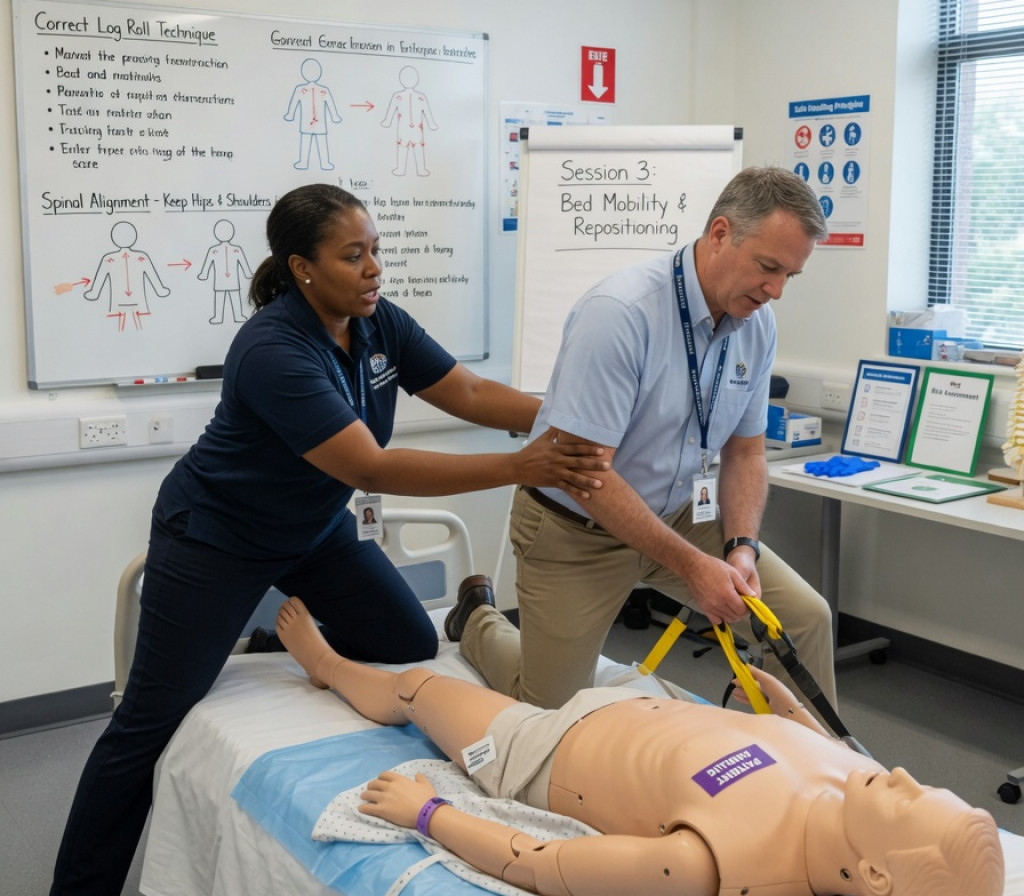
- Methods for bed mobility, chair transfers and assisting with walking
- Legal responsibilities under current UK regulations and organisational policies
- How to recognise and report unsafe practices or equipment faults
Course Agenda
Overview:
The course is typically delivered over one full day or two half-days and combines short theory sessions with extended practical workshops. Delegates work in small groups using real equipment in a training environment that simulates care settings.
Key Modules Covered
What you will learn:
- Legislation, guidance and organisational responsibilities
- Anatomy and the causes of musculoskeletal injury
- Risk assessment models including TILE and dynamic assessment
- Principles of safe handling and ergonomic techniques
- Selection and safe operation of handling equipment
- Practical handling scenarios and problem-solving exercises
- Documentation, reporting and ongoing workplace monitoring
Private Courses On-site
Moving and Handling of People training is also available as a dedicated course, at your premises, and on a date and time of your choosing. Advantages of group / private course is the convenience of candidates being in familiar surroundings and not having to travel, the lowest price, and the ability to have the course tailored to your own application.
Latest Delegate Feedback
⭐ Rated 4.3 By Our Candidates - (167 reviews)
Session which took place in Shipley was genuinely enjoyable.
★★★★★
5 ⭐ – Ricky J - Thu 14th May 2026
Class / course conducted on our site was credit to you all.
★★★★★
5 ⭐ – Kelly M - Sun 10th May 2026
Full of well prepared material...
★★★★★
5 ⭐ – Andy T - Sat 9th May 2026
Moving and Handling of People Session was motivational and valuable. Trainer perfect. . Having Nicoleta manage my training the best part.
★★★★★
5 ⭐ – Tina J - Sat 9th May 2026
Accreditation & Next Steps
What you will achieve as a result:
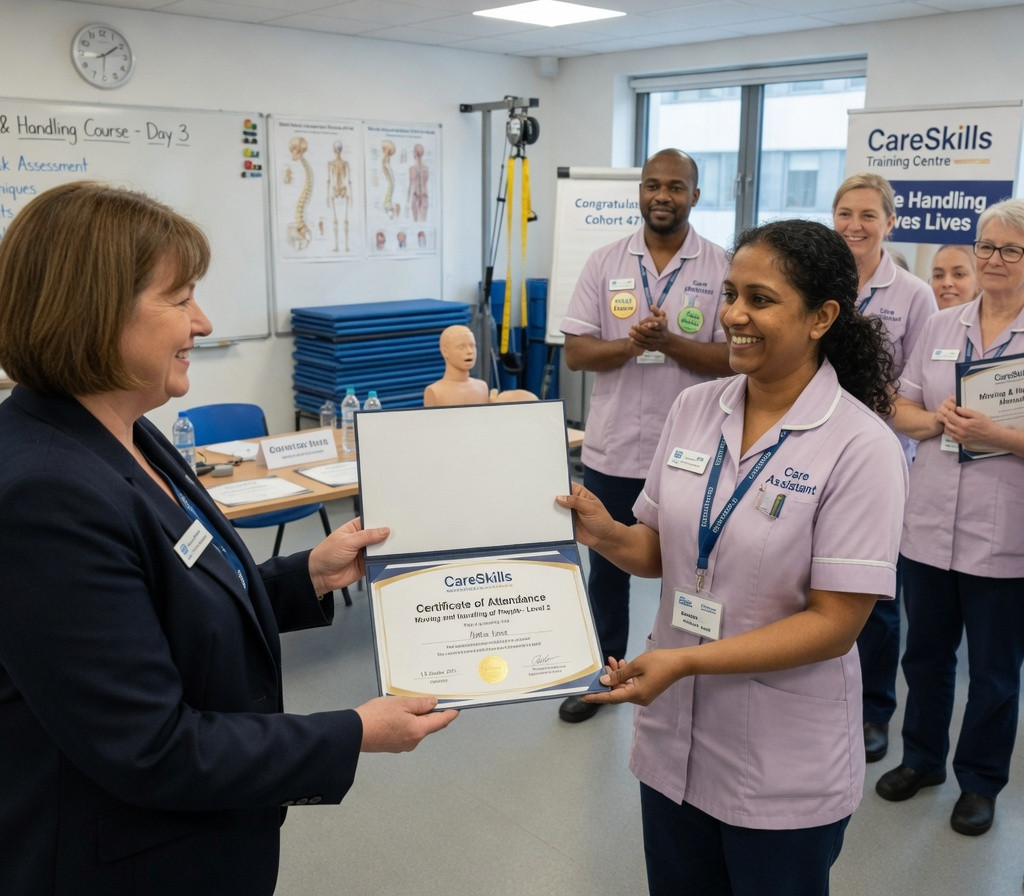
Delegates receive a certificate of attendance that records the training content and date. Many organisations require refresher training every two years or when new equipment or procedures are introduced. The certificate demonstrates compliance with employer duties and can be used as evidence during inspections or audits.
Frequently Asked Questions
Most commonly asked Moving and Handling of People questions:
Most providers deliver the full course in one day of six to seven hours, combining theory and practical elements. Some organisations split it into two half-day sessions to fit shift patterns.
No formal qualifications are required. Delegates should be physically able to participate in practical handling activities and wear suitable clothing and footwear for the session.
Practical work includes risk assessment of handling tasks, use of hoists and slings, sliding sheets, stand aids, bed mobility techniques and team handling procedures in simulated care environments.
Assessment is continuous through observation of practical skills and participation in risk assessment exercises. There is no formal written exam for the standard course.
You receive a certificate of attendance that details the course content and date. This can be recorded in your training records and shown to employers or regulators.
Refresher training is commonly recommended every two years, or sooner if new equipment, procedures or significant incidents occur in the workplace.
No. This course focuses specifically on moving and handling people, including the additional considerations of dignity, consent and individual mobility needs that do not apply to inanimate loads.
Wear comfortable clothing that allows free movement and flat, closed-toe shoes. All equipment is supplied during the course; you do not need to bring any handling aids.
Yes. Many providers can deliver the course on-site using your organisation’s own equipment and policies, which helps make the learning directly relevant to daily routines.
The standard syllabus includes principles for handling individuals of varying sizes and mobility levels. Specific bariatric scenarios can be added when the course is tailored to a particular workplace.
You will practise with common equipment including mobile hoists, ceiling track hoists, stand aids, sliding sheets and transfer boards, learning how to select and check each item safely.
It provides documented evidence that staff have received instruction in safe handling practices, supporting compliance with the Health and Social Care Act and HSE guidance on musculoskeletal risks.
Prices per person typically start at £67. Discounts available for multi person or group bookings (depending upon location)
More Information
This training equips staff with immediately usable skills that protect both themselves and the people they support. Practical sessions allow delegates to practise techniques in realistic conditions before applying them in their workplace.
Last updated: May 2026 • Part of XYZ Training Group