Abrasive Wheels Course
Key Features
Of this Abrasive Wheels Course:
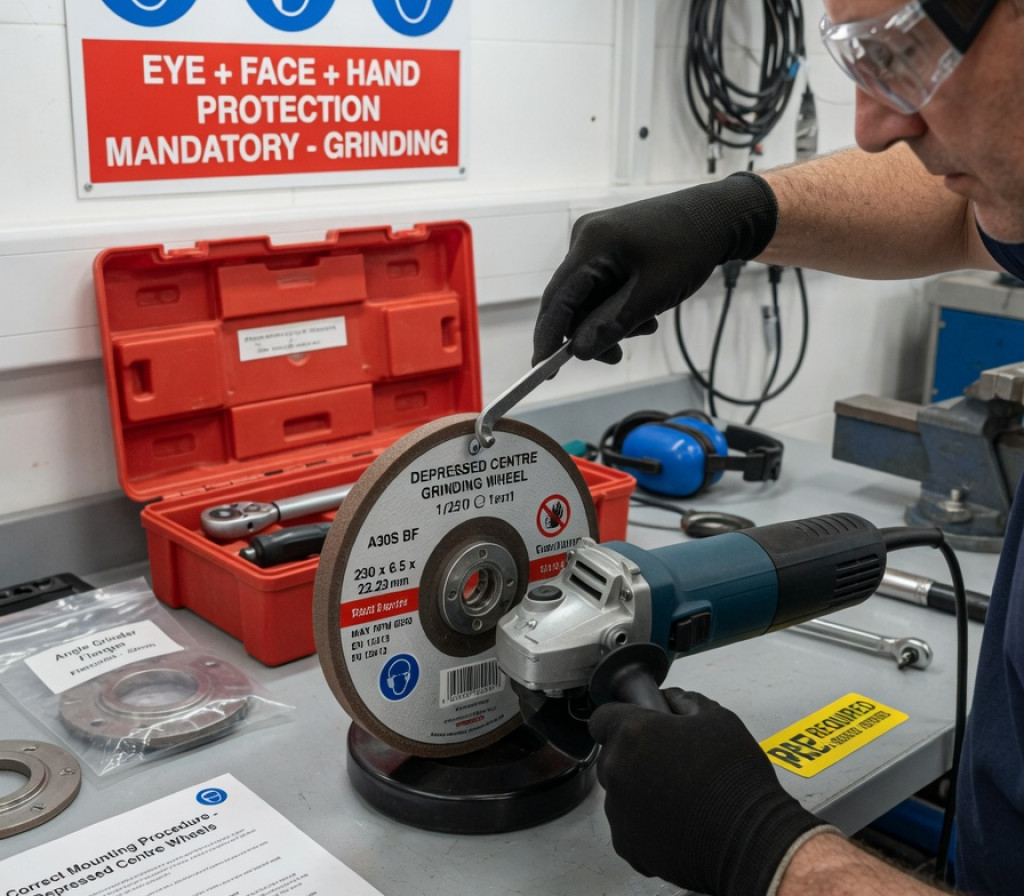
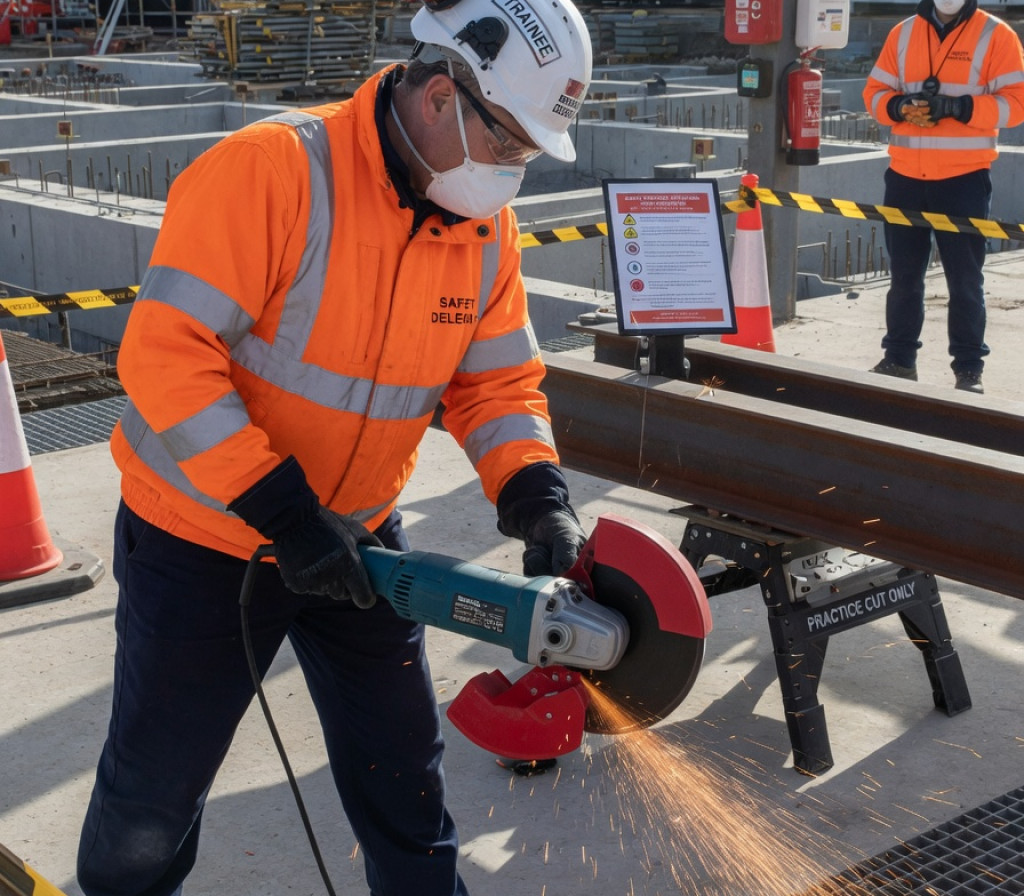
- Covers safe selection, inspection, mounting and use of all common abrasive wheel types including cutting discs, grinding wheels and flap discs on both portable and fixed machines
- Meets the training requirements of PUWER 1998 Regulation 9 for anyone who mounts or changes abrasive wheels
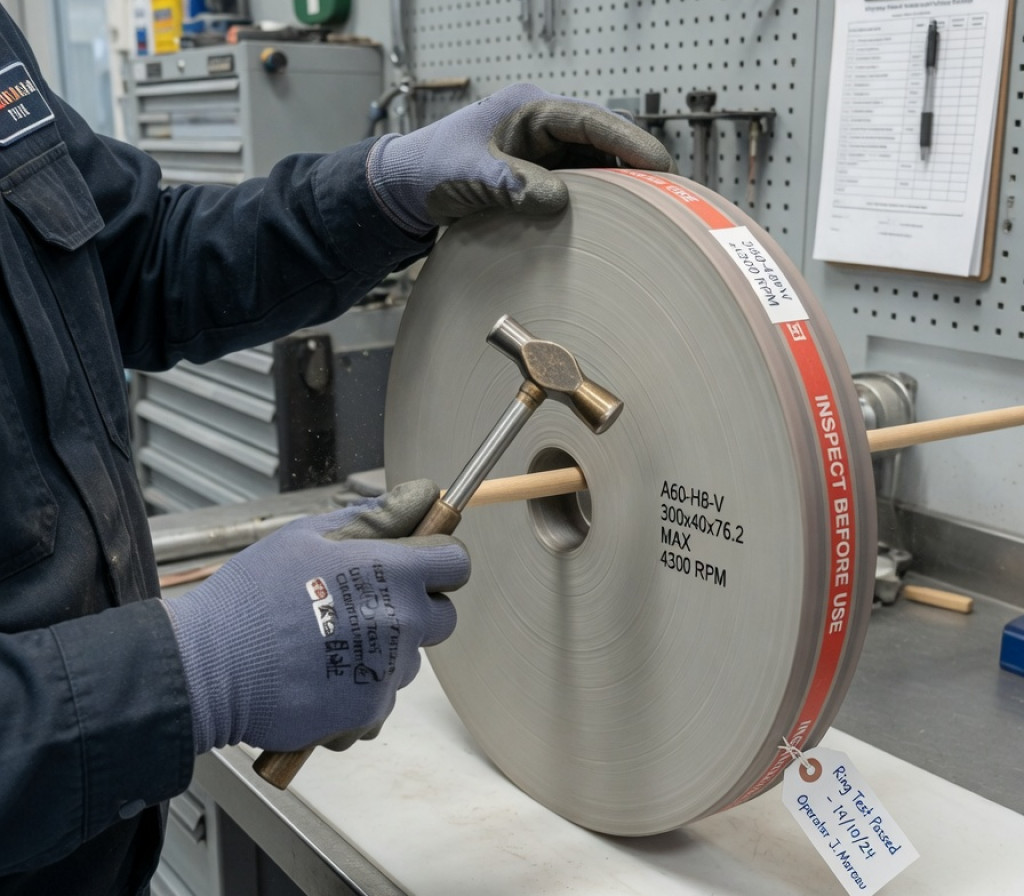
- Includes practical instruction on wheel balance, ring testing, guard adjustment and correct storage to reduce the risk of wheel burst
- Addresses real workplace hazards such as kick-back, sparks, dust and entanglement across construction, fabrication and maintenance environments
- Provides delegates with the knowledge to select the right wheel specification for the material and machine being used
Course Date Availability
Abrasive Wheels training at the following 15 centres. Prices from £50 per person :
Course Information
Overview:
The Abrasive Wheels course delivers the full, nationally recognised training required for anyone who mounts, changes or operates abrasive wheels in the UK. Delegates learn the complete range of wheels and machines used in modern workplaces, from angle grinders and chop saws to bench grinders and pedestal machines, together with the legal duties placed on both operators and employers under the Provision and Use of Work Equipment Regulations 1998.
Who Should Attend?
This course is designed for:
- Fabricators and welders who regularly use angle grinders and cutting tools
- Maintenance engineers responsible for changing wheels on fixed machinery
- Site operatives using portable abrasive equipment in construction and demolition
- Workshop supervisors who oversee abrasive wheel operations
- Health and safety advisors who need to understand mounting and inspection procedures
What You Will Learn
By the end of the course you will be able to:
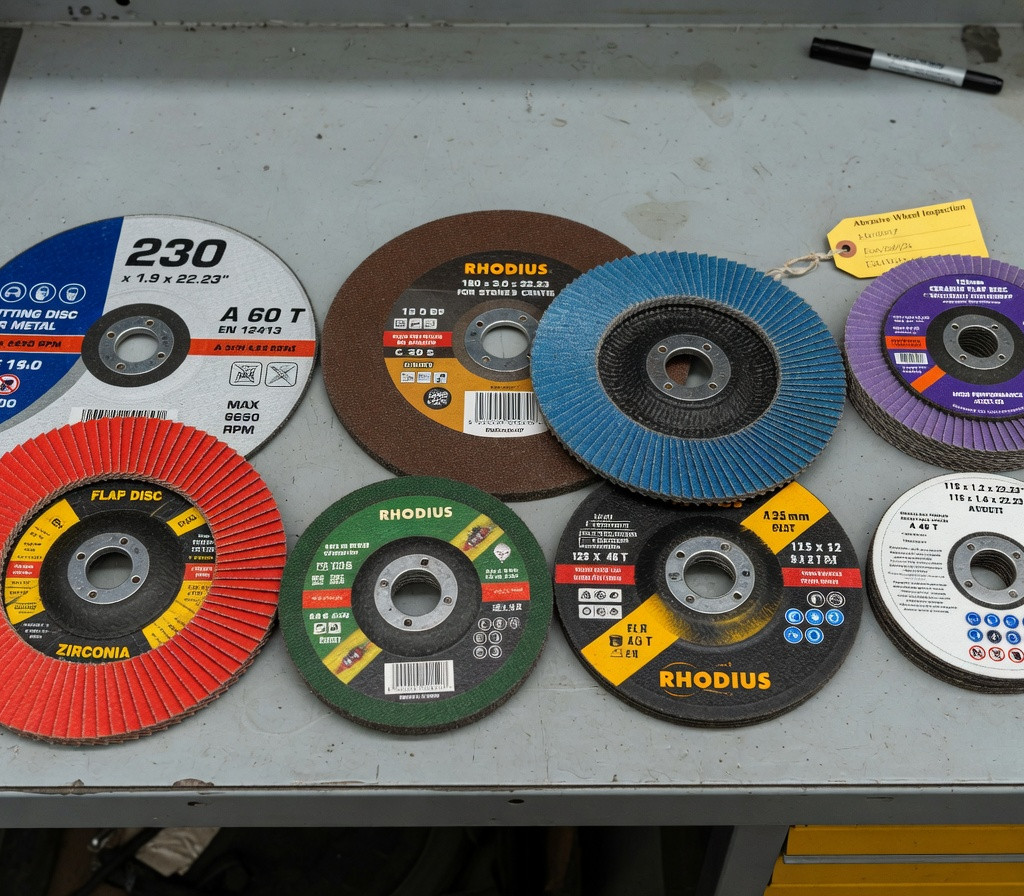
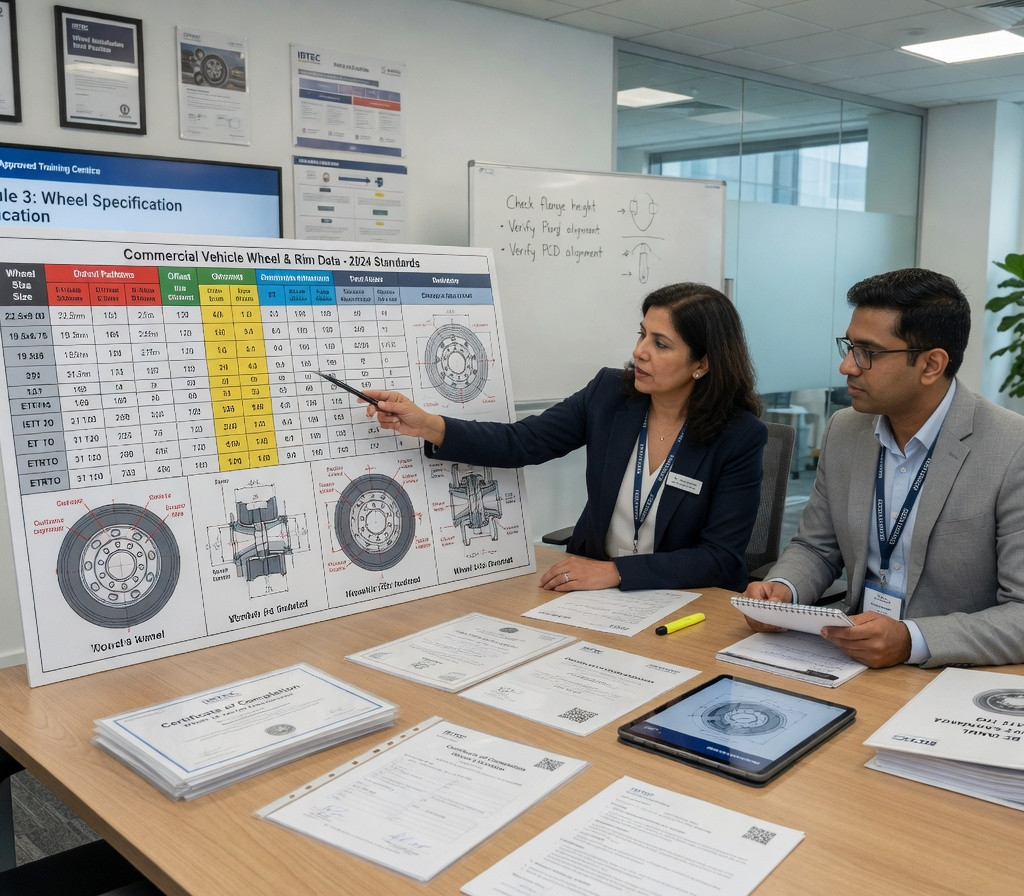
- How to identify wheel markings and select the correct specification for the task and material
- Safe mounting procedures for straight, depressed-centre and cup wheels on different machine types
- Methods for inspecting wheels, performing ring tests and recognising defects or damage
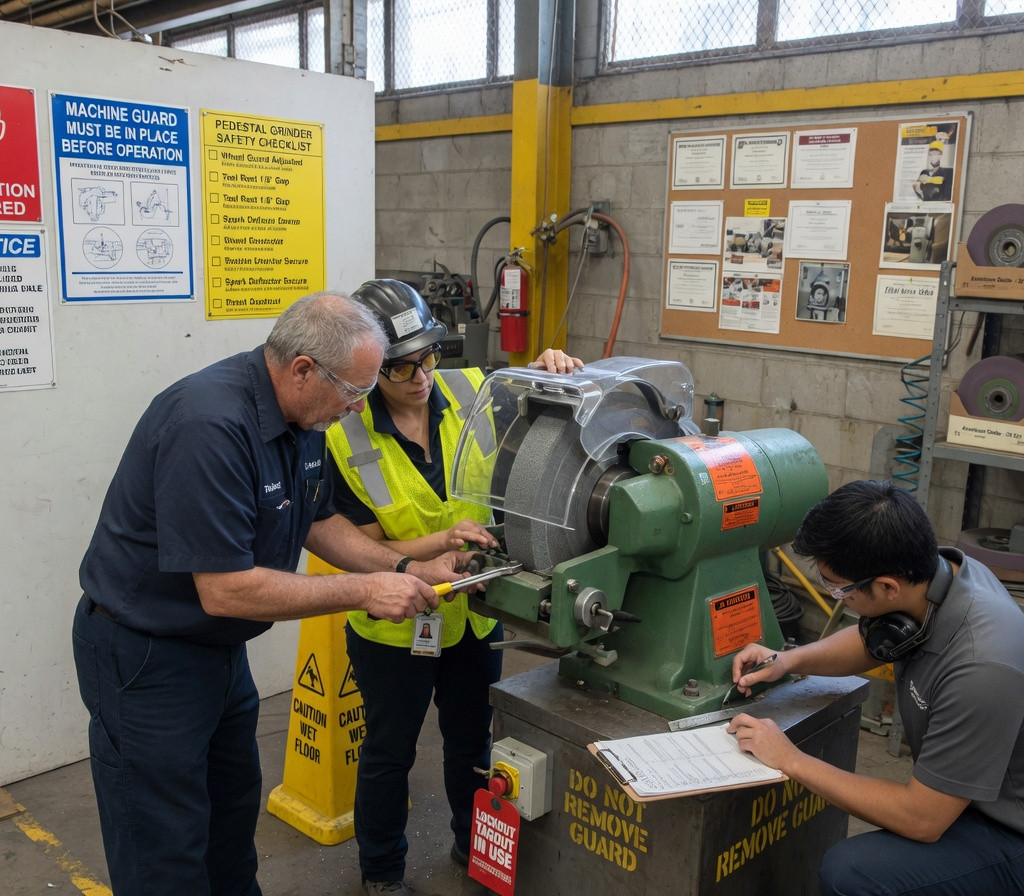
- Correct fitting and adjustment of guards, flanges and blotters to prevent wheel failure
- Control of hazards including kick-back, sparks, dust inhalation and entanglement
- Legal responsibilities under PUWER and the Abrasive Wheels Regulations
Course Agenda
Overview:
The course runs over one day and combines classroom theory with hands-on practical sessions using a range of abrasive wheels and machines typical of UK workplaces.
Key Modules Covered
What you will learn:
- Legal framework and employer responsibilities
- Wheel types, specifications and markings
- Inspection, storage and handling
- Mounting procedures for portable and fixed machines
- Guard selection and adjustment
- Safe operating techniques and hazard control
- Practical assessment and written test
Private Courses On-site
Abrasive Wheels training is also available as a dedicated course, at your premises, and on a date and time of your choosing. Advantages of group / private course is the convenience of candidates being in familiar surroundings and not having to travel, the lowest price, and the ability to have the course tailored to your own application.
Latest Delegate Feedback
⭐ Rated 4.3 By Our Candidates - (168 reviews)
Perfectly structured...
★★★★★
5 ⭐ – Jamie M - Thu 21st May 2026
Abrasive Wheels Course held at our premises recently was top drawer.
★★★★★
5 ⭐ – Gavin C - Thu 21st May 2026
A1...
★★★★★
5 ⭐ – John F - Mon 18th May 2026
Feedback universally about the Abrasive Wheels course was well organised. Good guys. . Having Client manage my training the best part.
★★★★★
5 ⭐ – Chris W - Mon 18th May 2026
Accreditation & Next Steps
What you will achieve as a result:
Delegates who successfully complete both the practical and theory assessments receive a certificate of training that demonstrates competence to mount and use abrasive wheels. The certificate is normally valid for three years, after which a refresher course is recommended to maintain compliance with current regulations and best practice.
Frequently Asked Questions
Most commonly asked Abrasive Wheels questions:
The standard course is delivered over one full day, combining theory and practical assessment.
No formal qualifications are required. Delegates should be physically able to handle tools and wheels and have a basic understanding of workplace health and safety.
The course covers wheel identification, inspection techniques, correct mounting on both portable and fixed machines, guard adjustment, hazard control and the legal requirements of PUWER Regulation 9.
Delegates complete a short written test and a practical mounting exercise observed by the instructor.
Successful delegates receive a certificate of training confirming they have been trained to mount and use abrasive wheels safely.
The certificate is normally valid for three years, after which refresher training is recommended.
The course covers the full range of abrasive wheels including cutting discs, grinding wheels and flap discs used on angle grinders, bench grinders and other machines.
Delegates should wear appropriate work clothing and safety footwear. All equipment and wheels are provided during the practical sessions.
Yes, the training includes methods to control sparks, dust and airborne particles when using abrasive wheels.
Many providers can deliver the course at a client’s own workshop provided suitable machines and a safe training area are available.
It provides documented evidence that operators have received the instruction required by PUWER for anyone mounting abrasive wheels.
Additional guidance and a re-assessment opportunity are provided so delegates can demonstrate the required standard before leaving the course.
Prices per person typically start at £50. Discounts available for multi person or group bookings (depending upon location)
More Information
The training focuses on the practical skills and knowledge needed to work safely with abrasive wheels in real industrial settings, giving delegates the confidence to select, mount and operate equipment correctly while reducing the risk of injury.
Last updated: Jun 2026 • Part of XYZ Training Group